
Healthcare Providers in Egypt: A Day in the Life
Spend a day in an Egyptian clinic with our HCPs and IDA Ambassadors and learn about how they screen children for Iron Deficiency Anemia.
In clinics across Egypt, every day begins with a familiar scene. A mother sits quietly in the waiting room, her child resting against her shoulder, waiting to see a healthcare provider.
What many mothers do not realize is that behind seemingly ordinary symptoms (or sometimes no symptoms at all) there may be a hidden health concern. Their child could be among the thousands of young children in Egypt affected by Iron Deficiency Anemia (IDA). IDA is one of the most prevalent nutritional health challenges facing young children in Egypt, affecting as many as 40% of children in some communities. Healthcare providers encounter cases every day and understand the significant impact iron deficiency can have on a child's growth, development, immunity, and overall wellbeing.
Yet addressing IDA is not always straightforward. Many families face financial pressures that make it difficult to access diverse, nutrient-rich diets. At the same time, cow's milk remains a staple in many households because it is affordable, familiar, and deeply rooted in traditional feeding practices. While trusted by many parents, excessive cow's milk consumption during early childhood can contribute to iron deficiency, as it contains little iron and can interfere with iron absorption from other foods. As a result, conversations about nutrition often begin from a place of uncertainty, misconceptions, or resistance to change.
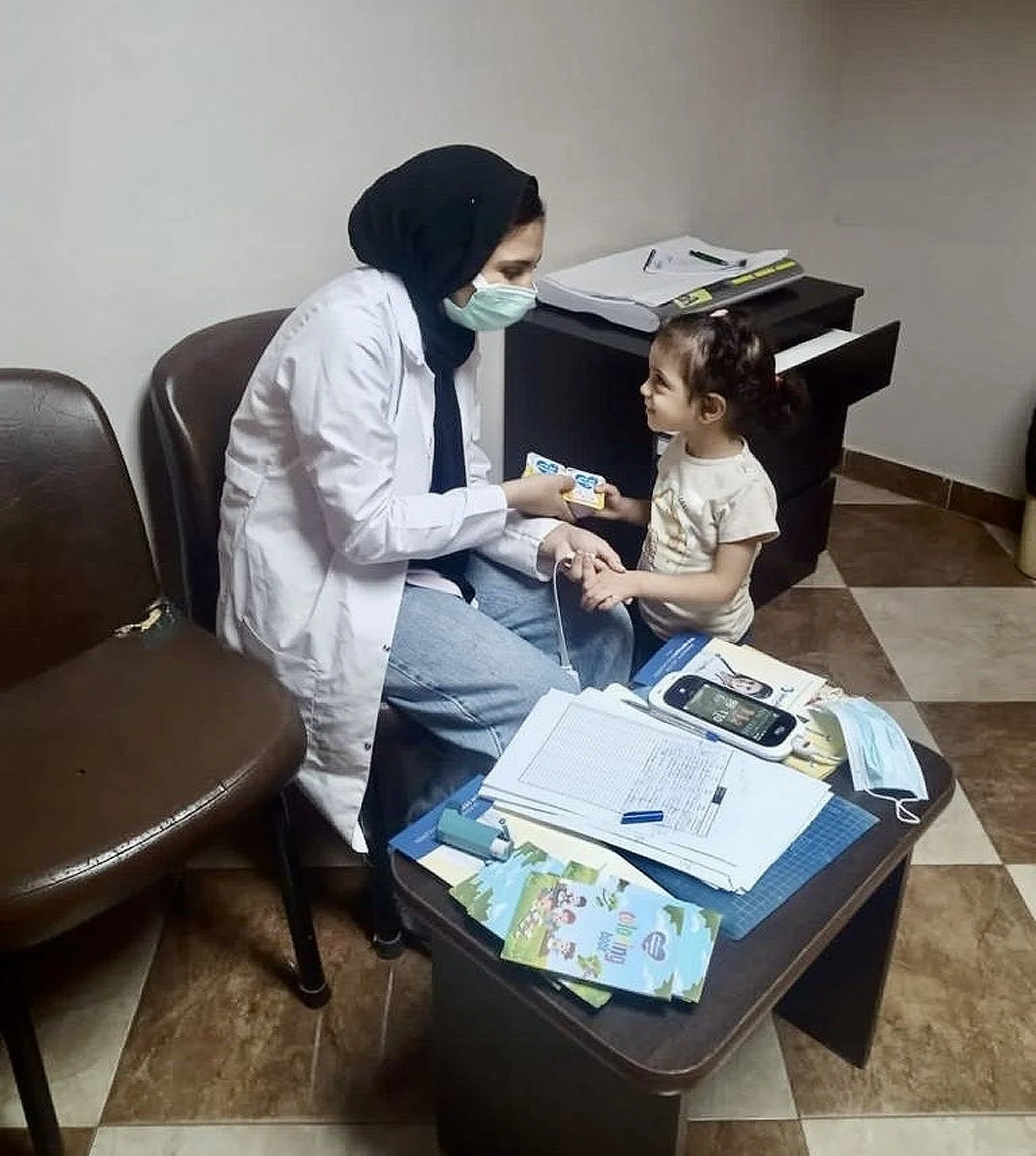
Aya, IDA Ambassador
Screening a child for IDA using the non-invasive Hb device
Together with other IronUp! Ambassadors, Aya uses IDA screening solutions to identify children who may be at risk within minutes. For many mothers, this instant screening transforms an invisible health issue into something tangible and actionable. From there, Aya works with families to improve their nutritional awareness, highlighting iron-rich foods and explaining how everyday feeding choices can be simple and support healthy growth and development. She also discusses the role of iron-fortified nutritional options, how they can help and encourages mothers to continue the conversation with their healthcare provider so that recommendations are reinforced through clinical guidance.
By the time mothers meet with their doctor, they are often better informed, more engaged, and better prepared to discuss solutions. This makes consultations more productive and allows healthcare providers to focus on personalized care, confident that families have already received a strong foundation of education and support. Together, IronUp! Ambassadors and healthcare providers create a seamless continuum of care that combines awareness, screening, diagnosis, and action.
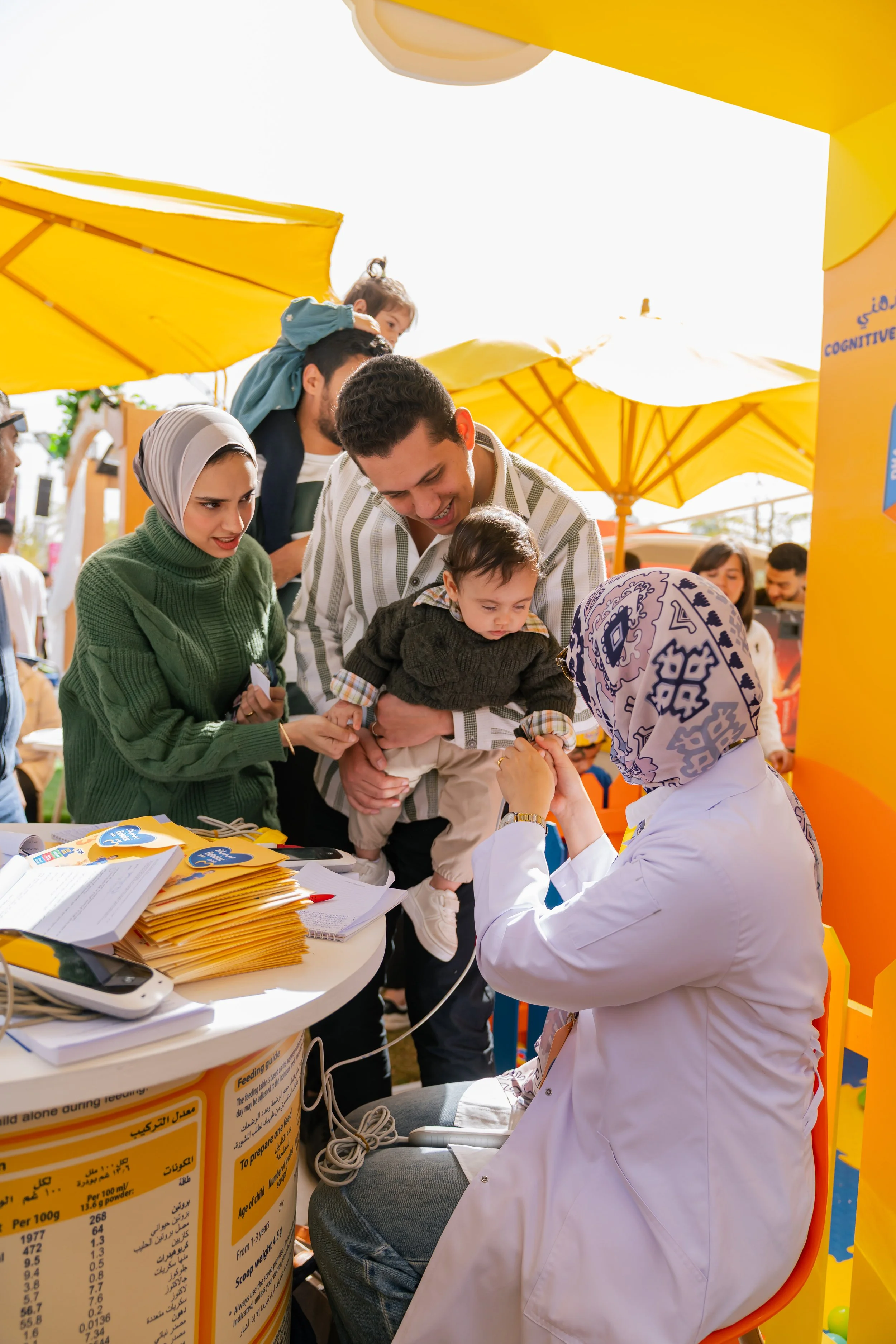
This impact extends far beyond clinic appointments through Patient Days. Through Patient Days, clinics, healthcare providers, and IronUp! Ambassadors transform healthcare settings into community hubs for education and prevention. Hosted in hospitals, polyclinics, pharmacies, and other high-traffic healthcare environments, these events are designed to bring awareness directly to mothers where they already seek care and support. Throughout the day, more than one hundred mothers may gather to learn, ask questions, and share experiences. Healthcare providers lead educational sessions on the role of iron, iron deficiency and broader child nutrition, while educators offer one-on-one counseling, conduct IDA screenings, distribute educational materials, and help mothers understand the practical steps they can take to protect their children's health.
What begins as an educational event often grows into something more powerful: a community conversation. Mothers learn not only from healthcare professionals but also from one another, sharing experiences, challenges, and successes. Over time, many return to discuss their child's progress, seek reassurance from trusted educators and healthcare providers, or raise new concerns as their children grow. These events represent a growing movement toward earlier detection, better nutrition, and more informed parenting. They demonstrate what becomes possible when healthcare providers, educators, and families work together around a shared goal.
Combating IDA requires more than identifying the condition itself. It requires building awareness, strengthening knowledge, and empowering communities to act. By connecting healthcare providers, parents, and educators through education and early screening, IronUp! is helping ensure that more children receive the support they need to grow, learn, and thrive.
This is where IronUp!'s IDA Ambassadors enter the story. Aya, an ambassador based in Egypt, serves as a vital bridge between families and healthcare providers. With a background in pharmacy and specialized training in pediatric nutrition and IDA, she spends her days sitting beside mothers, listening to their concerns, and translating complex medical information into practical, actionable guidance.
Aya helps mothers understand what IDA is, why it is so common in their communities, and why it often goes unnoticed. She explains the warning signs while emphasizing an important reality: many children with iron deficiency show no obvious symptoms at all. By building understanding and trust, she helps mothers recognize why early detection matters.