

Africa
Countries with an IronUp! Presence
Gabon
Madagascar
Cameroon
Côte d’Ivoire
Regional Context and Challenges
The Africa region carries one of the highest burdens of IDA globally. In West and Central Africa alone, around 65–68% of children aged 6–59 months are anemic—affecting an estimated 52 million children across 17 countries covered by a UNICEF regional analysis. Despite its scale, IDA is rarely treated as a standalone public health priority. It is often overshadowed by acute malnutrition and infectious diseases, and in public discourse it is still frequently framed as a women’s health issue rather than a pediatric one (UNICEF West and Central Africa Regional Operational Guidance).
Public awareness remains low, and most national reporting focuses on anemia broadly rather than iron deficiency specifically. This limits targeted action and reduces demand for preventive screening and treatment. Delivery constrains further impact: micronutrient powder programs, the primary large-scale intervention for iron deficiency, reach only a small fraction of eligible children in most countries. Screening infrastructure is also weak, with no established funding mechanisms for tools such as non-invasive devices, and overstretched healthcare workers limiting consistent implementation. Digital and AI-enabled screening approaches also face additional barriers, including limited connectivity in rural areas, privacy concerns among healthcare workers, and hesitation to use personal devices for health data collection. At a system level, UNICEF highlights a mismatch between funding flows and need: humanitarian and nutrition financing does not always align with the highest-burden geographies, reducing the effectiveness of interventions. Despite ongoing interventions, progress remains limited and uneven.
Key Country-Level Statistics
6-59 mos
In Gabon, UNICEF data shows “no progress,” with anemia rates for children aged 6–59 months continuing to rise.
40%
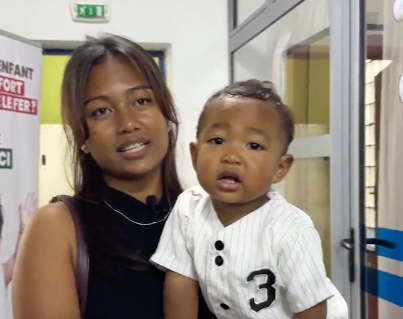
According to the results of the National Micronutrient Deficiency Survey in Madagascar (2024), approximately 42% of Malagasy children aged 6 to 59 months are anemic, and 40% of anemia is associated with iron deficiency.
75%
In Côte d’Ivoire, up to 75% of children may be anemic, and iron deficiency is the most common cause of anemia in preschool children, with ≤39% suffering from IDA.
The IronUp! Program: Danone's Framework for Action
Iron Up! is the first global program of its kind that is set to positively impact the health of young children around the world at risk of or impacted by IDA.
Under IronUp!, Danone accelerates its decades-long effort across three foundational pillars of increasing awareness of IDA, partnerships to positively impact health and science-based, consumer-centric nutritional solutions. This is reflected in Danone's public commitment to deliver 14 million screenings between 2026 and 2030 and ambition that screening becomes routine for all children as part of effective IDA prevention.
Make – Partner – Serve is Danone’s strategic framework that guides the IronUp! Program.
Make
IDA top-of-mind for all key stakeholders
Partner
For systemic change
With superior, affordable, unique solutions
Serve
IronUp!’s Approach to Make Across Africa
IronUp! is addressing IDA in Africa by embedding screening and awareness into national health systems, rather than relying on standalone or time-bound programs. IronUp! is integrating the non-invasive Hb devices into routine vaccination days at health centres, increasing access and reach.
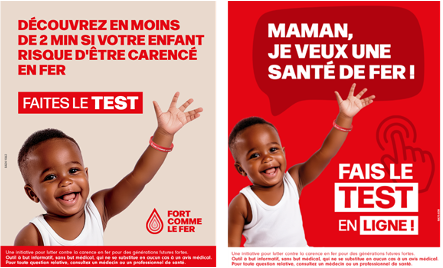
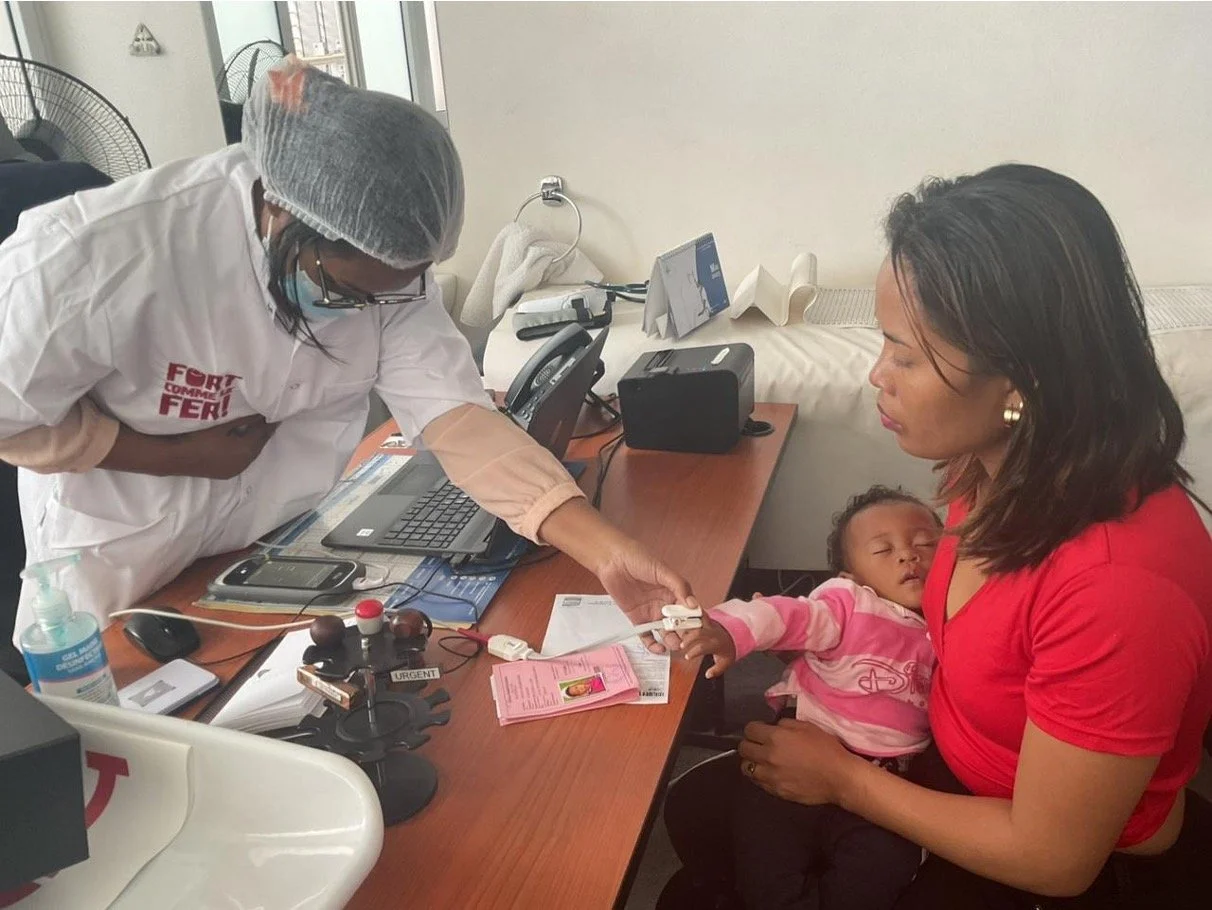
How does IronUp! Make IDA Top-of-Mind for All Key Stakeholders?
Empowers health centers to drive education & screening on IDA on daily basis, by integrating the use of non-invasive Hb devices into routine vaccination days for example
Massifies screening via digital tools such as the Iron Intake Questionnaire (IronQ)
Designs in-person mass screening campaigns with the non-invasive Hb devices
Orchestrates HCP training and IDA roundtables; engages KOLs at ESPGHAN
IronUp!’s Approach to Partner Across Africa
IronUp! works alongside local authorities and key stakeholders to drive lasting policy and systems change.
Through partnerships focused on awareness, advocacy, and adapted iron-rich nutrition, Danone aims to inspire healthier practices and improve access to nutrition for families across Africa at every stage of life.
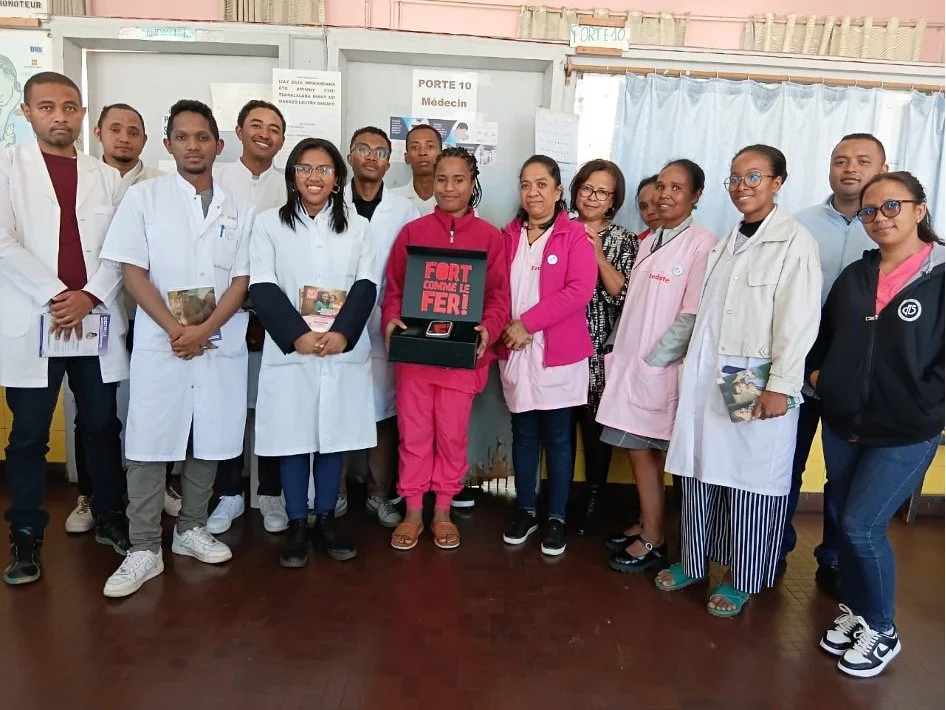
How does IronUp! Partner with Local Authorities and Key Stakeholders for Systemic Change?
Develops large scale clinical studies
Partners with Ministries of Health, the African Union Nutrition Task Force, Pediatric Societies & National Epidemiology Departments, as well as media (e.g. Brut) to cover national IDA screening campaigns in the press & TV
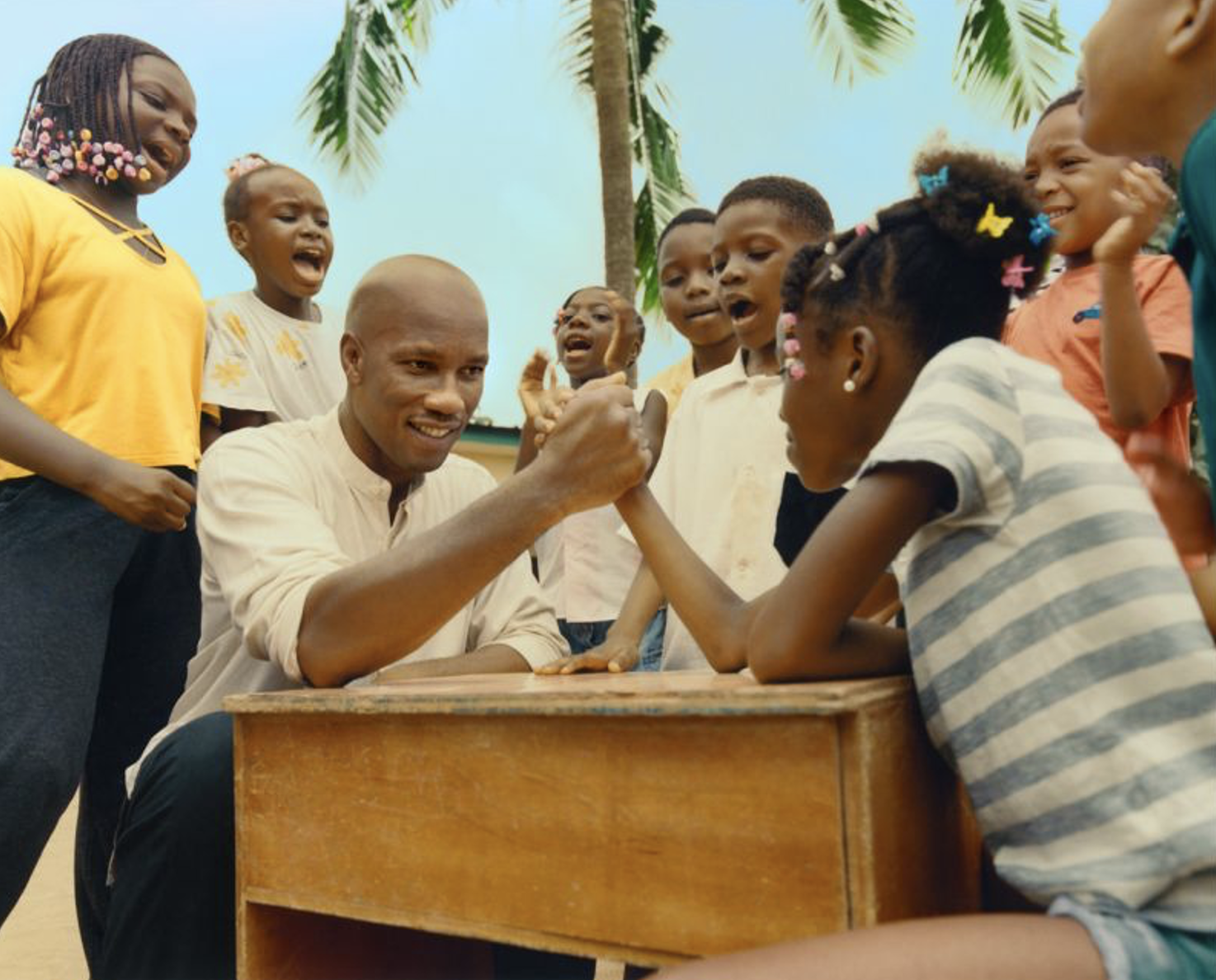
Launches dedicated campaigns, such as the “Iron Strong” campaign featuring Didier Drogba in Côte d’Ivoire launched in March 2026
IronUp!’s Approach to Serve Across Africa
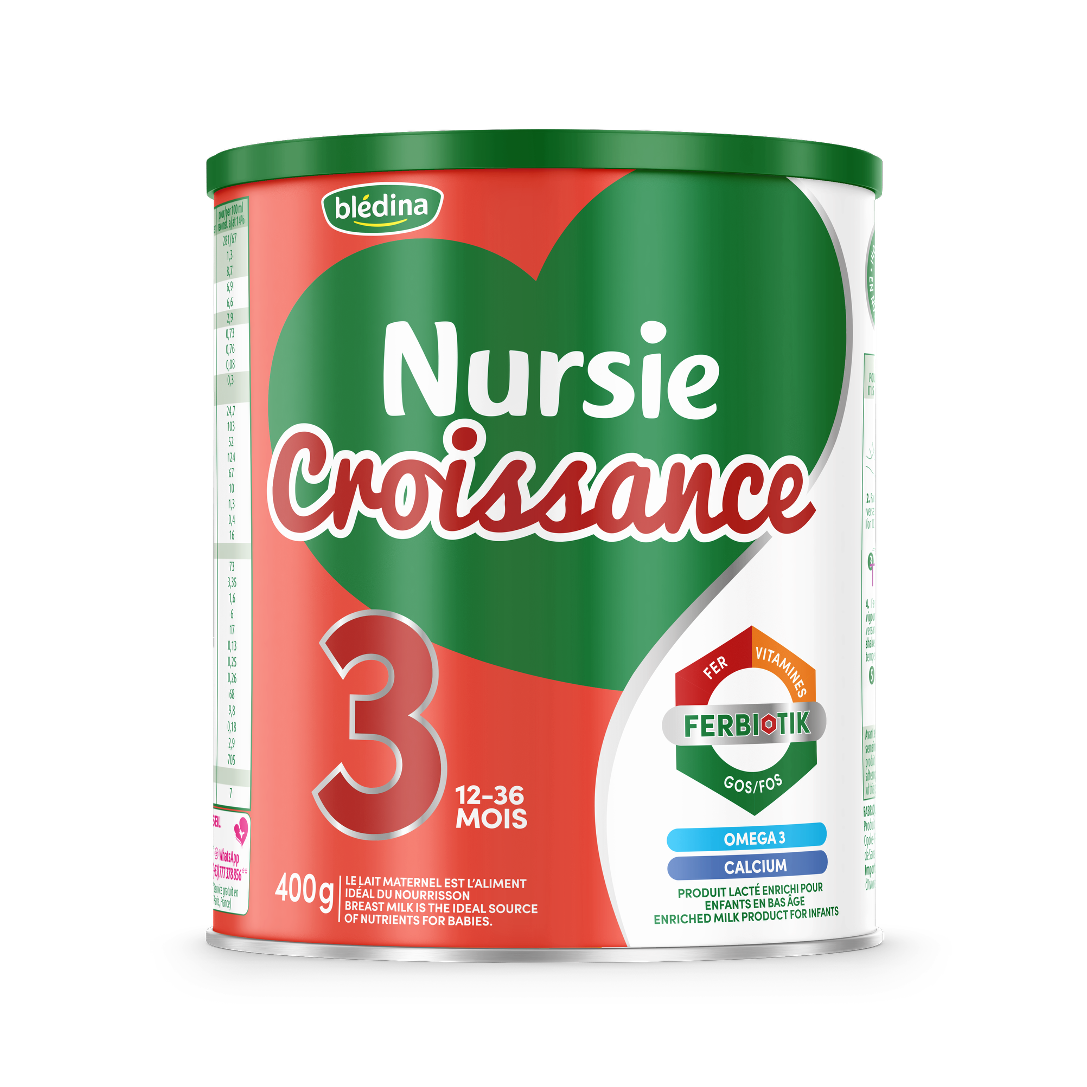
Danone has created affordable fortified cereals and formula to support early childhood development. These products were designed to complement diversified diets and provide essential nutrients including iron, Vitamin C, calcium, and more.

How does IronUp! Serve with superior, affordable, and unique solutions?
Expands access to superior, evidence-based nutritional solutions, such as formula and cereal ranges fortified with iron
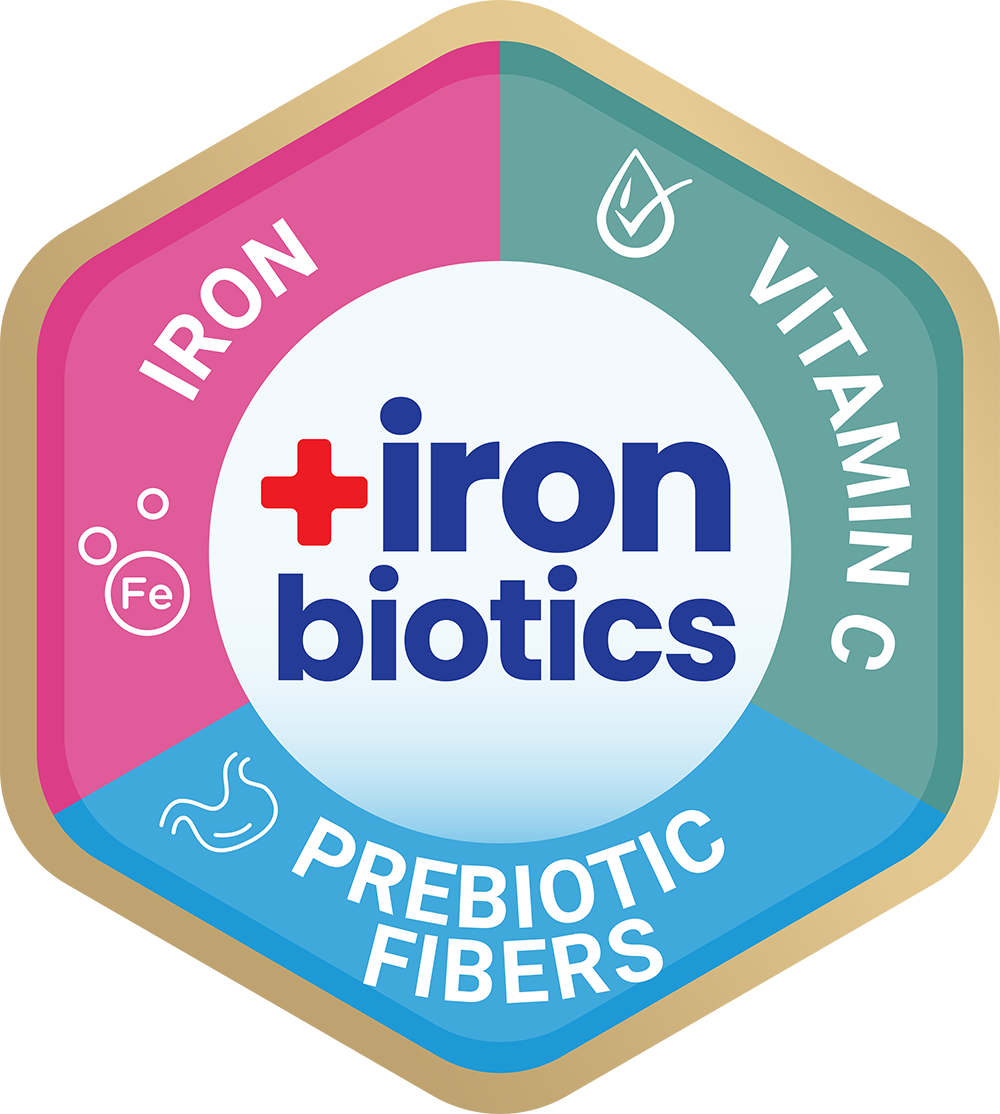
Launched IronBiotics in Ivory Coast with plans to roll out in further countries through 2027
Read More About IronUp!’s Work in Africa
-
![]()
Didier Drogba joins the IronUp! Program as a new ambassador in Africa!
-
![]()
Iron Strong Cereals in Africa
-
![]()
One Child’s Story, A Common Challenge in Madagascar
Explore the IronUp! Locations
Africa

India

Indonesia
MENA

Southeast Asia